


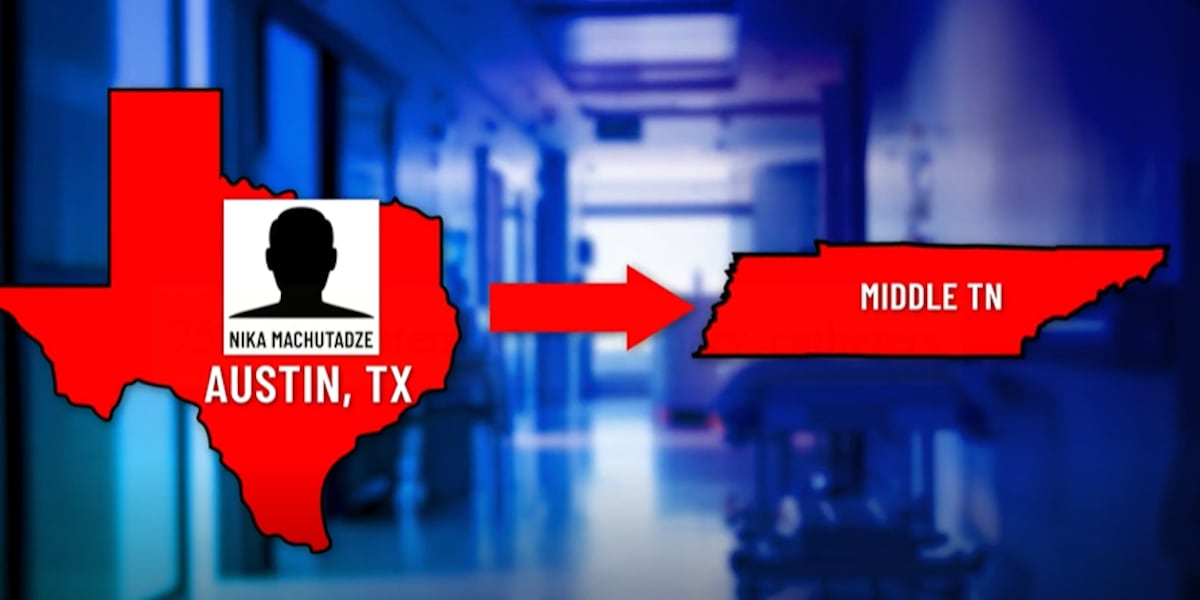
- What This Story Is About: A WSMV4 investigation uncovered a fraud scheme where Medicare was billed tens of thousands of dollars for Tennessee recipients who never needed or received medical equipment. WSMV4 Investigates connected the fraudulent billing is connected to a Russian citizen living in Texas who has been federally indicted in a Medicare fraud scheme.
- Why It Matters: This fraud directly impacts Tennessee Medicare recipients who had their personal information compromised and used for fraudulent billing. Medicare paid these fraudulent claims totaling thousands of dollars per person, representing a significant drain on the federal healthcare program. The case reveals vulnerabilities in Medicare’s oversight system and shows how easily criminals can exploit the program using stolen beneficiary information.
- What Happens Next: All Tennessee Medicare recipients identified in this investigation are being encouraged to contact Medicare to get new Medicare ID numbers due to the data breach. The Russian citizen Nika Machutadze faces federal charges for the fraud scheme.
- For Context: Medicare doesn’t have the capability to monitor all 68 million enrollees’ claims in real-time, according to Senior Medicare Patrol. A recent data breach at a billing service that works with healthcare providers may explain how criminals obtained Tennessee Medicare recipients’ personal information. The Centers for Medicare and Medicaid Services declined to comment on ongoing investigations.
COLLEGE GROVE, TN (WSMV) – A WSMV4 investigation has uncovered a Medicare fraud scheme that billed the federal program tens of thousands of dollars for medical supplies that Tennessee recipients never needed or received.
Our investigation found the billing is connected to a Russian citizen living in Texas, accused in a $3 billion Medicare fraud scheme.


Tennessee recipients discover fraudulent charges
Penny Vaughan, a retired nurse in College Grove, and her husband received their quarterly Medicare statements showing Medicare had been billed more than $11,000 for urinary catheters for both of them over five months.
“We did not need, did not buy, did not order,” Vaughan said. “The price was just extraordinary.”
The billing showed 300 catheters per month for five months.
“Three hundred a month would mean you were catheterizing yourself 10 times a day. Nobody does that. Nobody does that,” Vaughan said.
In Kingston Springs, Larry Welch’s mother-in-law received a similar quarterly report showing Medicare was billed for urinary catheters she never needed or received, totaling more than $11,000.
Several other Medicare recipients shared their quarterly reports with WSMV4 Investigates, showing identical Medicare billing for hundreds of catheters they never needed.
“I knew it was fraud,” Vaughan said.
Despite the large number of catheters and high costs, Medicare paid the claims each time.
Russian citizen indicted in federal court
The billing for the catheters came from two medical equipment suppliers in Coral Springs, Florida, and Austin, Texas. In Texas, the billing came from Centurion Superior Medical.
Texas Secretary of State records show the company’s managing member is Nika Machutadze, a Russian citizen living in Austin.
Federal criminal complaints show Machutadze was indicted in federal court two-and-a-half weeks ago. The complaint shows Machutadze’s company submitted claims to more than 221,000 Medicare beneficiaries across the United States, billing Medicare more than $3 billion, including for 752,281 urinary catheters.
“This could be pretty major,” Welch said.
Data breach may explain information access
Questions remain about how Medicare recipients’ information in Tennessee reached the criminals. Penny Vaughan recently received a letter from a billing service that works for health care providers stating there had been a data breach that may include identifying Medicare beneficiary identifiers.
Brandy Bauer with Senior Medicare Patrol, which helps Medicare recipients report fraud, said Medicare doesn’t have the ability to look at all 68 million enrollees and question claims.
“Medicare isn’t going to necessarily know what, on a day-to-day basis, what your prescribing physician has ordered for you,” Bauer said. “Medicare doesn’t have the ability to necessarily look at all 68 million enrollees and sort of question that. They’re going to sort of take the benefit of the doubt and go ahead and try and pay those claims until you realize, wait a second, I don’t need that supplies or I didn’t get those supplies.”
A spokesperson for the Centers for Medicare and Medicaid Services said in an emailed statement that they “do not confirm or comment on ongoing or potential investigations.”
Senior Medicare Patrol says all people interviewed for this story now need to reach out to Medicare to get new Medicare ID numbers.
Medicare recipients should review their quarterly reports to see what they were billed for and watch for notifications from hospitals and doctors about data breaches.
If there’s something you want us to know for this story, please email jeremy.finley@wsmv.com.
Copyright 2026 WSMV. All rights reserved.
link