Northwestern Medical Center limits surgeries while reviewing sterilization processes | Local News

ST. ALBANS — Northwestern Medical Center is performing fewer surgeries than usual as it works to remedy problems in its sterilization process.
The hospital elected to pause all surgeries the week of Aug. 18 to assess the situation, and restarted surgeries at about 50% capacity Aug. 27.
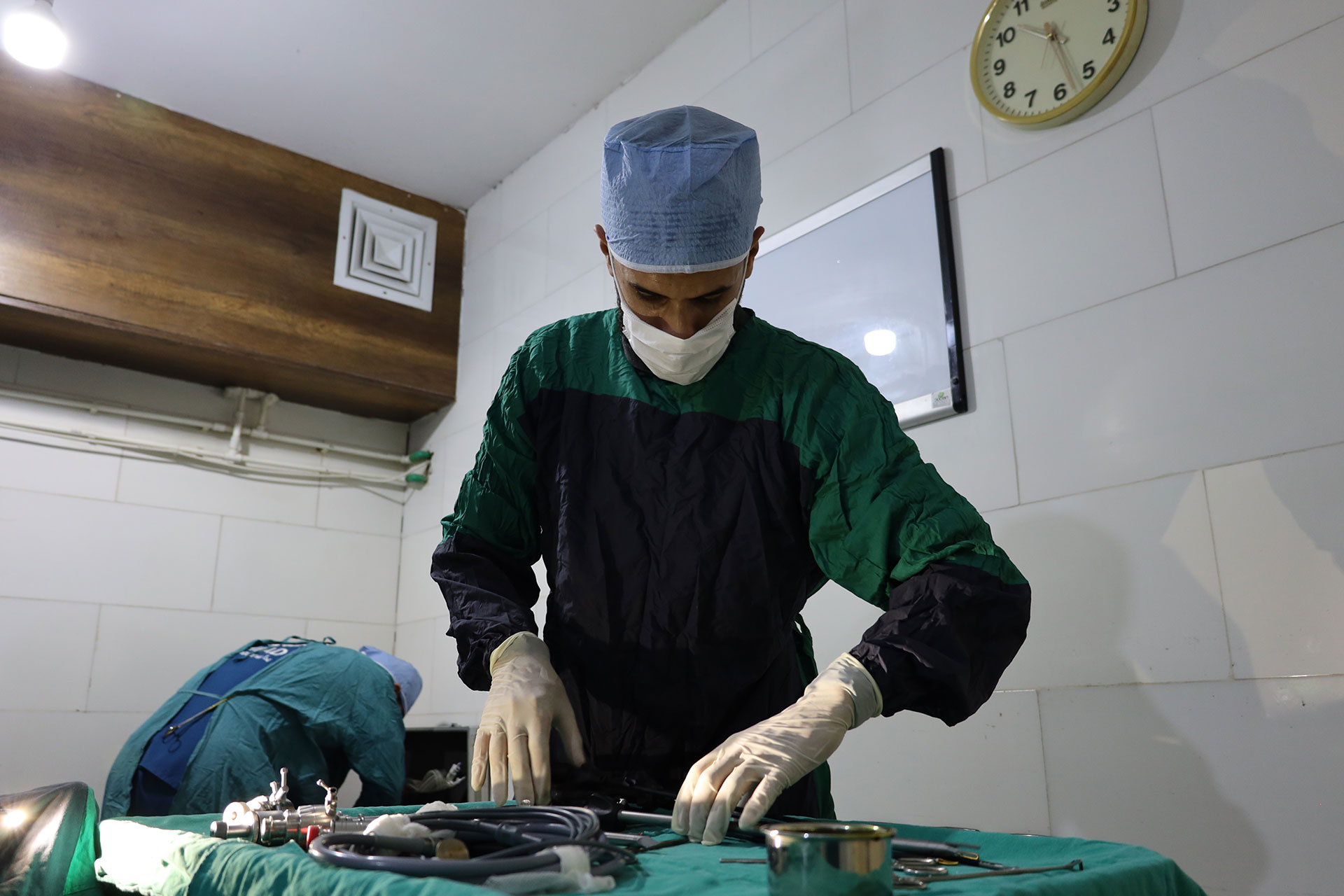
Back in January, operating room staff started noticing tiny particles in sterilized and wrapped trays of surgical tools. At that time, it was happening infrequently enough that tools could be replaced or re-processed, but by July, CEO Peter Wright said the frequency increased to the point of surgeons being unable to predict whether they would have the tools necessary to complete an operation.
“We don’t want to prep someone for surgery or start anesthesia and then find out we don’t have the tool, because that’s not good for the patient,” Wright said.
The hospital mapped out its entire sterilization process in an effort to diagnose the problem and hired equipment manufacturer Steris to help. Steris recommended NMC install a reverse osmosis machine to increase the purification of water used in surgical equipment cleaning.
Reverse osmosis uses a semi-permeable membrane to separate water molecules from other substances.
A temporary machine was installed Aug. 25 and a permanent one is expected to arrive in the next few months. But reverse osmosis is only one piece of a complex solution. The hospital also deep-cleaned the entire central sterile department and is replacing surgical trays, digitizing workstations and purchasing a drying cabinet.
Surgical tools coming out of the department are sterile, according to a test that’s done on every tray.
“I think the important difference is, there might be a black fleck, but the tray is sterilized,” Wright said. “That’s an anomaly that every hospital across the country deals with on some level.”
Kate Laddison, NMC’s director of community relations, assured that this kind of issue is not uncommon for hospitals. In fact, Wright said a hospital in southern New Jersey experiencing similar problems reached out to him wanting to cross-share possible remedies.
Surgeries at NMC re-started late last month, but as of this week, the hospital is still only performing about half of its surgical capacity. Last Thursday, 10 surgeries were scheduled, when the hospital can typically handle 17-22 a day.
“We want to move slow. We want to move careful,” Wright said.
During the surgery pause, NMC referred all patients with emergent surgery needs to University of Vermont Medical Center in Burlington. Other patients were rescheduled or referred to UVM or to Copley Hospital in Morrisville.
Wright said he acknowledges the “tremendous burden” this has placed on patients, as surgeries often require time off from work, support from family or friends and other logistical accommodations that now have been uprooted.
“We feel very bad, but we want them to know we’re only doing this because we feel like it’s the best thing to do,” he said.
Wright also said the hospital has not blamed any staff for the issue, opting instead to look for problems within the wide-ranging system.
“Their work is so meticulous, and they take great pride,” he said. “The staff actually doing that work, they’re really good at what they do.”
When the permanent reverse osmosis machine arrives later this year, highly-purified water will be able to be piped to more places within the sterile department. Staff will continue to monitor the cleaning process, and Wright said when they are confident the issue has been isolated and resolved, NMC will go back to normal surgical operations.
“If there’s anything that’s as important to us as recognizing the staff effort, it’s reassuring the community of safety,” Wright said. “If your doctor calls you and says we’re moving ahead with surgery, know that that surgeon, their team, this organization, believes that it’s safe.”
link