Penn, IBX speed up patient testing with insurance reforms
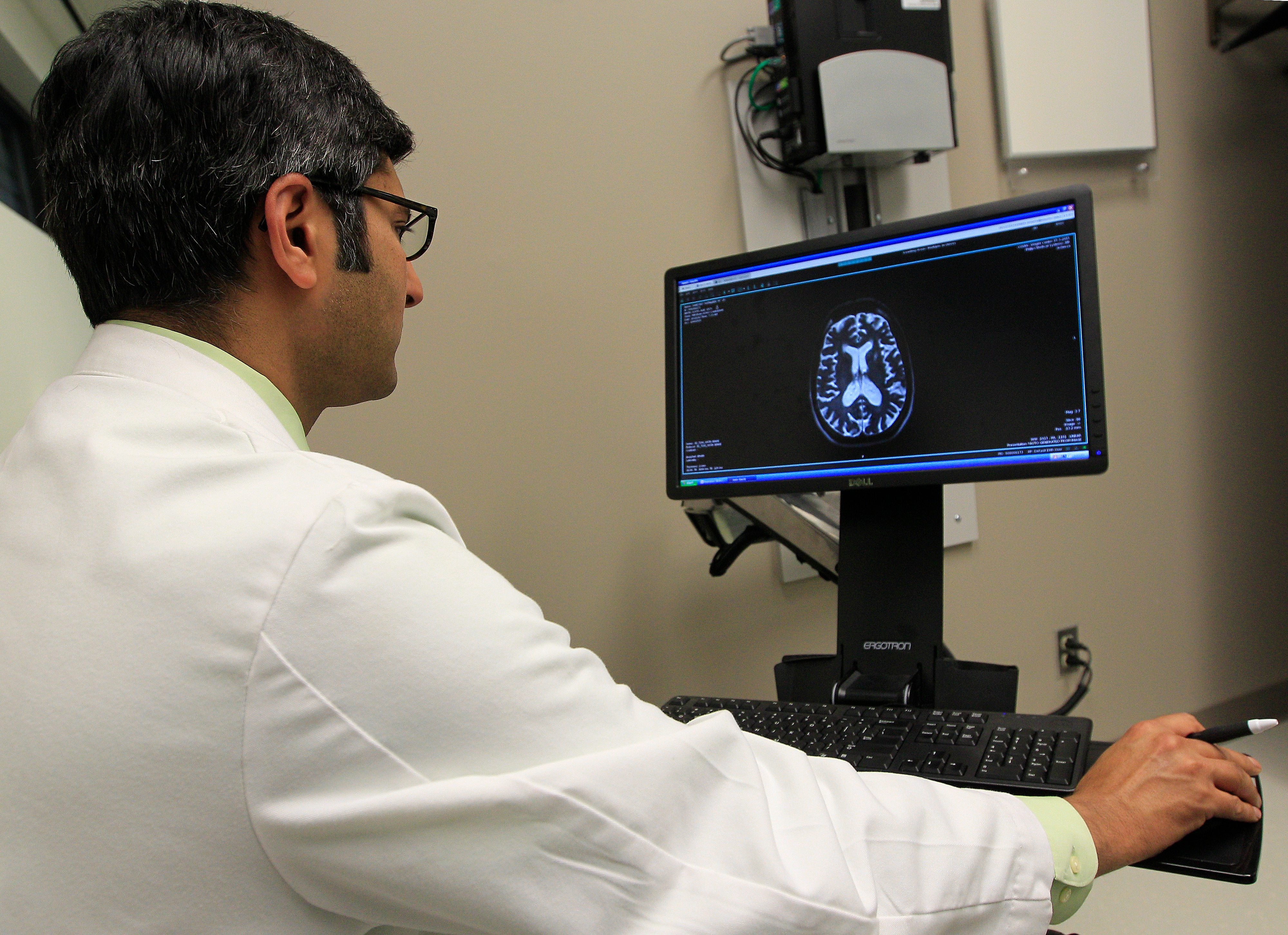
Independence and Penn reduce necessity of prior authorization requests
Officials from IBX and Penn Medicine say they’re already seeing success with their joint program.
More than 1,300 Penn physicians in outpatient care participate for ordering common tests like CT, PET and MRI scans and echocardiograms. They are eligible if they have a 12-month history of ordering tests with a 2% or lower denial rate with Independence Blue Cross.
Among physicians who were granted automatic approvals, about 83% of outpatient radiology requests were approved in “one-tenth” of the time compared to a normal prior authorization process, officials said.
“We are seeing much faster access,” Cerdá said. “And the providers are our partners. We want the provider experience to be as positive as possible.”
There was also a 9% overall reduction in “low value” requests, or tests that insurance companies consider “unlikely to provide useful information for diagnosing or treating a patient’s condition.”
“Or is there an equivalent or different test you could do or you might need to do that could be just as good or help you pick the right path of treatment that is significantly less expensive,” Cerdá said.
Schnall said the program has helped the Penn Medicine system use its time and resources more efficiently.
For example, before, if the radiology department had a last-minute opening and a patient in a nearby outpatient office was just prescribed an MRI scan, Schnall said they weren’t able to get that patient in because they had to wait for prior authorization. Not anymore.
“So, if your doc was in this program and I had a 2 p.m. opening, in fact you could go into that opening, because we didn’t have to go through a pre-auth process,” Schnall said. “That’s happening.”
There is ongoing quarterly monitoring to ensure participating physicians don’t “drift” and begin ordering more “low value” tests with their automatic approval status, Schnall said, but so far, that hasn’t been the case.
In fact, more physicians are becoming eligible to participate as they lower their individual denial rates, Schnall said, and now Penn Medicine is looking to include other types of procedures in areas like cardiology.
IBX recently expanded the same program to Temple Health. Cerdá said they’re working with other local health systems and provider groups who are interested in adopting the new reforms.
While this new approach won’t solve all issues in the health care industry, Cerdá said he hopes it addresses at least one piece of the puzzle.
“Everybody is really struggling with how do you contain medical costs, cost of the premium, cost of how each person pays for health care in the right way,” he said. “I think this is an example of doing that, and doing that together.”
link