When the system falls short: How Owen’s Outfitters is removing barriers to health care, one piece of equipment at a time

Jan. 28, 2026
This piece is sponsored by MarketBeat.
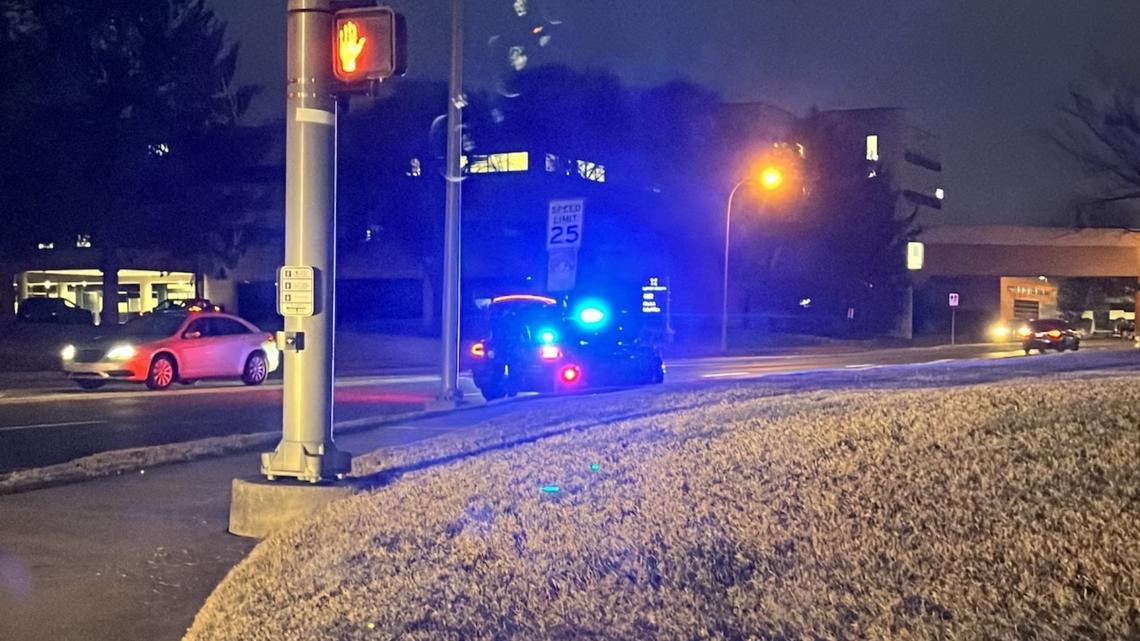
Most people don’t expect to find health care in a parking lot.
But that’s where Mike Turner found himself late one night, picking up medical equipment he had tracked down online for his son because it was faster and more affordable.
Even with health insurance, access to basic medical equipment came with delays, paperwork and expenses that were not covered by insurance.
So Turner did what many families do when the system falls short. He found another way.
It wasn’t a one-time problem. As Turner and his wife, Eleanor, navigated medical care for their son, Owen – who lived with a rare genetic condition – they repeatedly encountered delays, paperwork and approval processes that made obtaining essential equipment unnecessarily difficult.
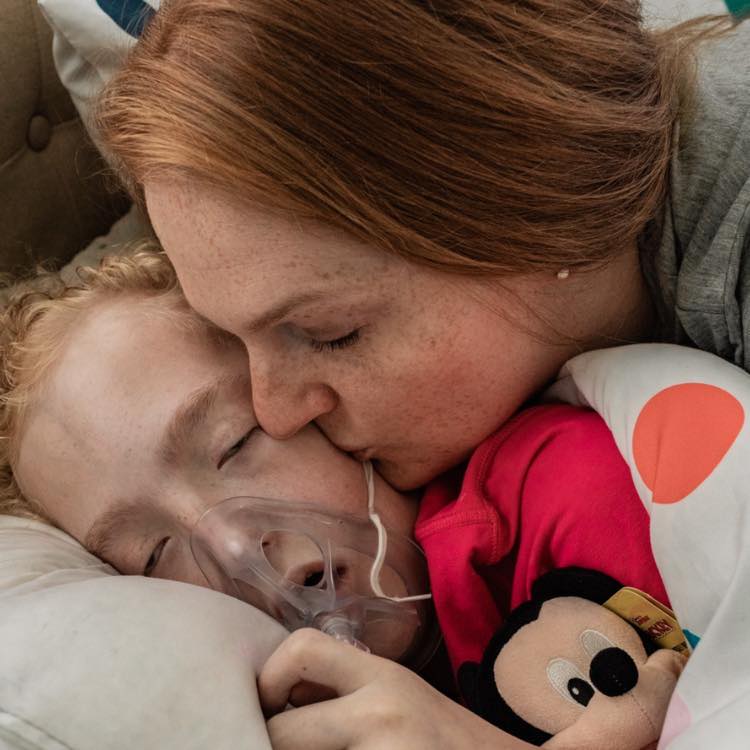
Owen and Eleanor Turner
“We kept thinking there has to be a simpler way,” Turner said.
In 2023, those challenges led the Turners to start Owen’s Outfitters in memory of their son. The Sioux Falls-based nonprofit provides free medical equipment to individuals and families facing the same barriers they did.
“We had jobs, we had health insurance, and we were doing everything right, but we still struggled,” Turner said. “That’s when it became clear these experiences weren’t unique to us.”
Prioritizing access for all
From the beginning, Owen’s Outfitters was built around one guiding principle: Make the process of securing medical equipment easier for the people who need help most.
Rather than requiring financial qualifications or lengthy approval processes, the organization prioritizes access. People can visit Owen’s Outfitters and leave with the equipment they need the same day, allowing recovery to continue instead of being disrupted by administrative barriers.
“When people come in and explain what they’re dealing with, we don’t need much context,” Turner said. “We’ve been there, and we know how quickly delays can turn into bigger problems.”
For many families, the difference is in the details. At Owen’s Outfitters, people can try out equipment and make adjustments before taking it home. That hands-on experience matters, especially for first-time users or caregivers making unfamiliar decisions.
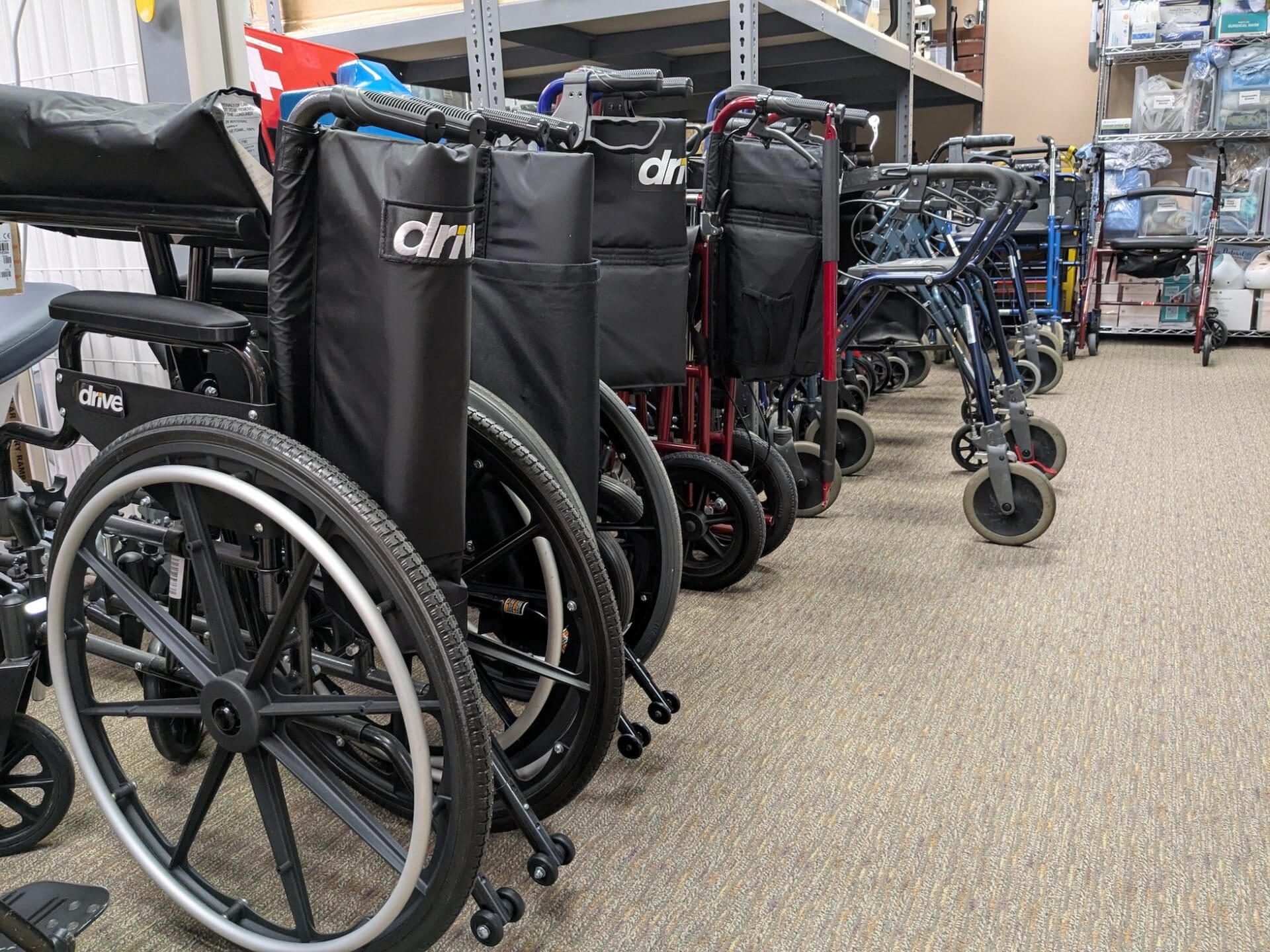
Wheelchair and walker section of Owen’s Outfitters’ warehouse
“You can see it on people’s faces,” Turner said. “They’ve never had the chance to actually try something before committing to it. Being able to take a walker for a test drive or sit in a chair and feel how it works changes the whole experience.”
The intake process is intentionally minimal. Visitors complete a brief form that takes less than two minutes and collects only basic information. There are no financial hurdles and no extended screening.
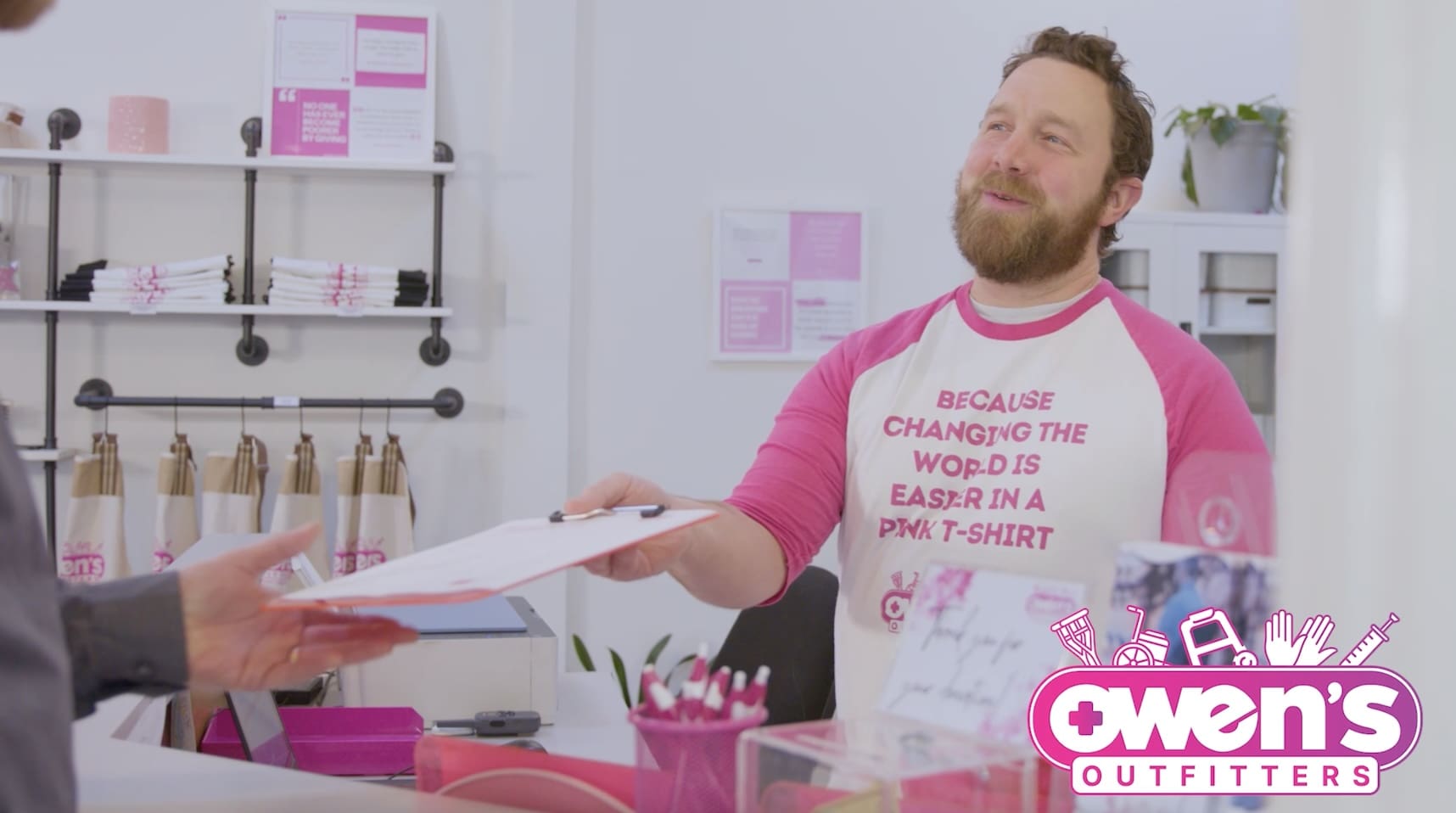
Mike Turner assisting with intake process
“When we were getting equipment for Owen, there were so many questions,” Turner said. “We wanted to strip that all away. We don’t have to tell people no. We just get to help.”
To make access even easier, Owen’s Outfitters also offers an online storefront where people can view available equipment and submit requests ahead of time. The goal is to give families a way to plan before a need becomes urgent.
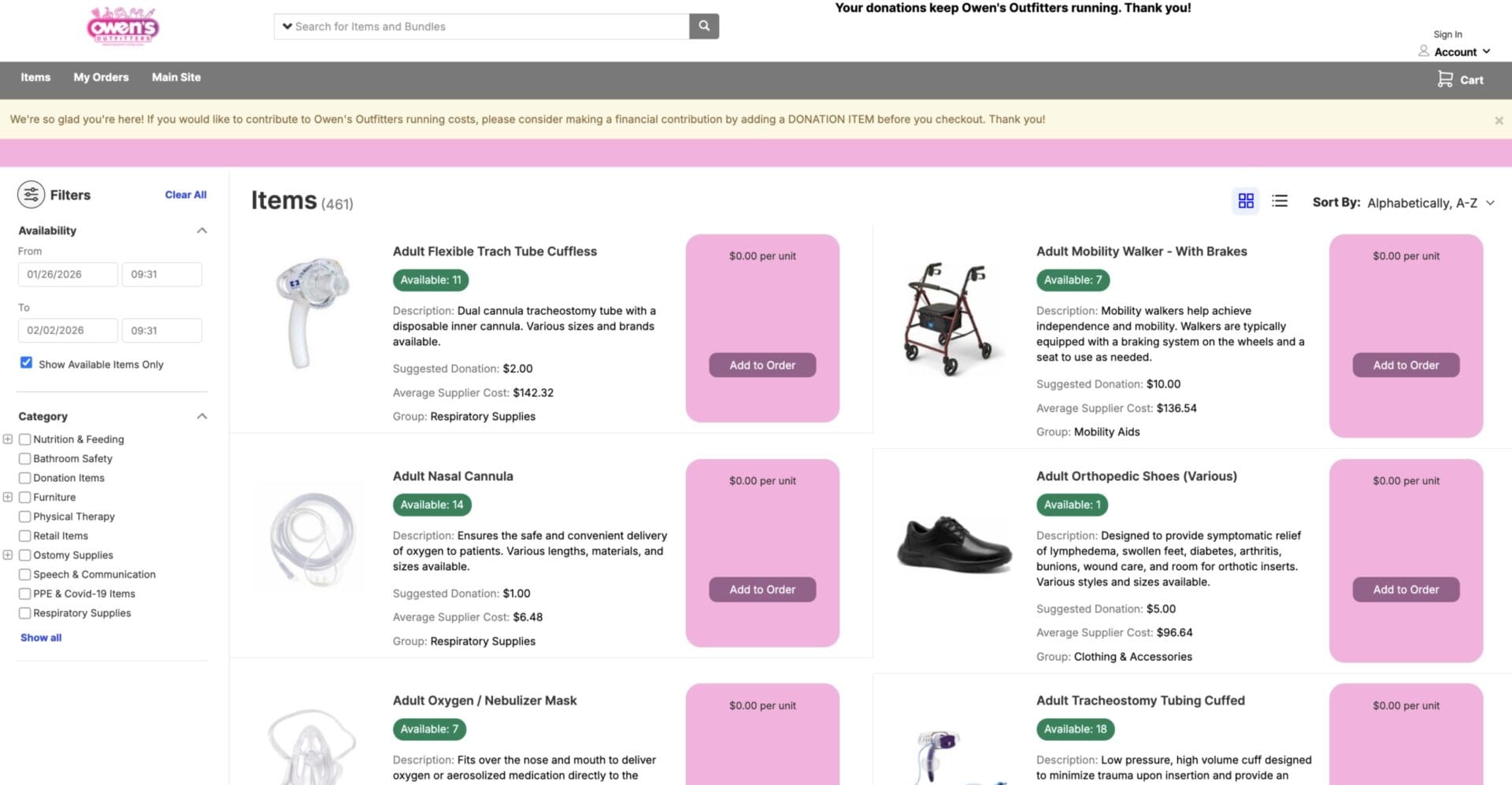
Owen’s Outfitters online store
“We know people don’t always have the luxury of waiting,” Turner said. “If someone can see what’s available and line things up ahead of time, that can take some pressure off during an already stressful situation.”
Over time, Owen’s Outfitters has reached both individuals and medical providers across the region, including hospitals, clinics, nursing homes, school districts and therapy providers who regularly refer people when equipment falls outside traditional insurance coverage.
Growing impact
What began as a small, home-based effort has grown into a high-impact operation.
Since opening, Owen’s Outfitters has served more than 7,000 clients and provided more than $4 million in medical equipment. In the process, 86 tons of usable supplies have been diverted from landfills and placed directly with people who need them.
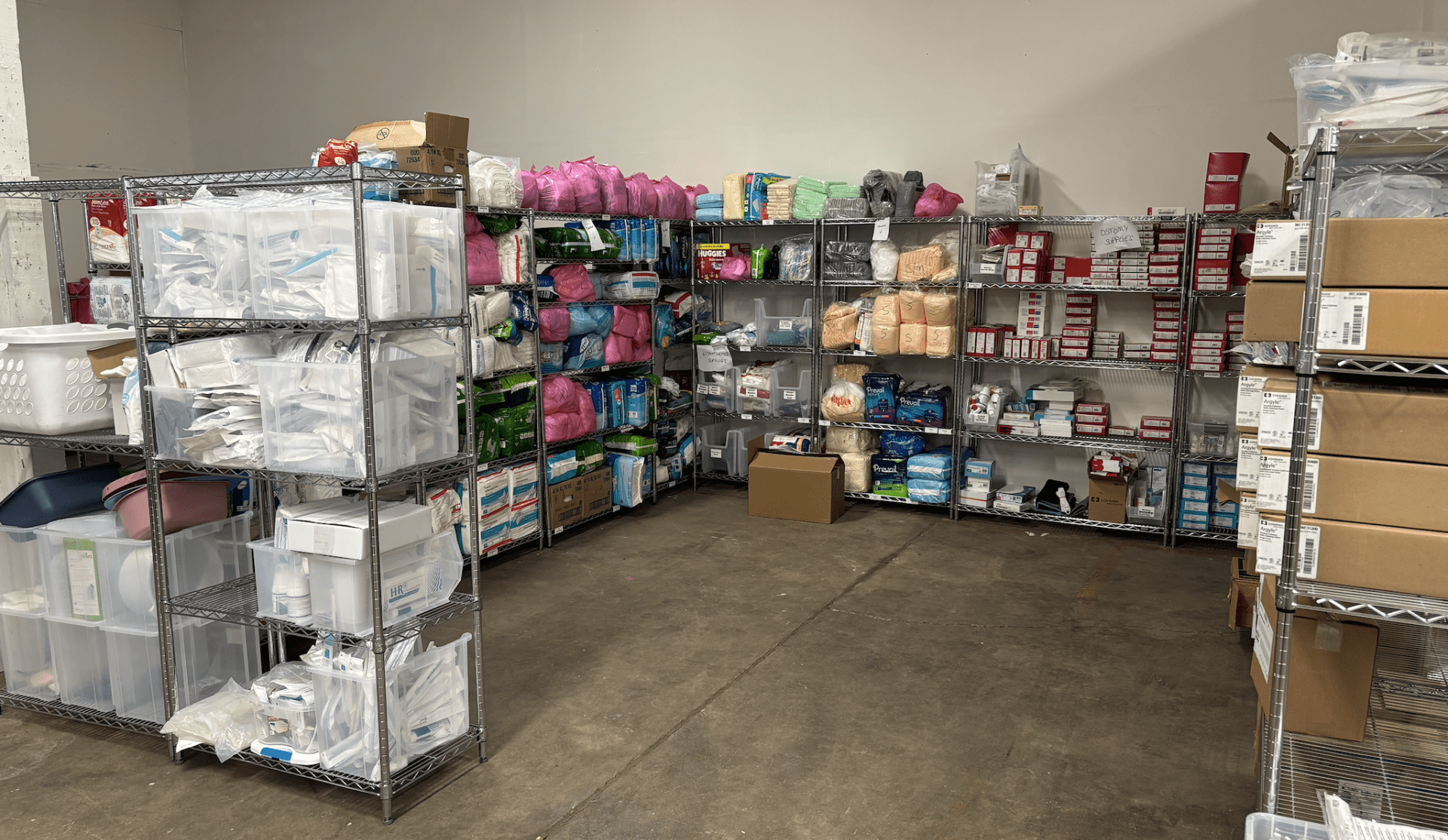
Corner of Owen’s Outfitters’ warehouse
That scale is made possible by a lean operating model. With a single paid employee and a largely volunteer-driven team, Owen’s Outfitters is able to stretch limited resources significantly, generating more than $20 in medical equipment value for every $1 donated.
“That efficiency matters,” Turner said. “It’s what allows us to say yes more often and make sure the equipment actually gets where it’s needed.”
While Turner typically does not see what happens after someone leaves with borrowed equipment, sometimes he does.
“We had a woman come in who had been bed-bound for months,” he said. “Her husband needed a hospital bed, a lift and a power chair, but insurance didn’t cover any of it. We were able to get her what she needed.”
A few weeks later, she walked back into the space herself.
“She had been outside,” Turner said. “She was seeing her grandchildren again.”
Stories like that illustrate what access to equipment can change – not just recovery timelines, but independence.
Sustaining that kind of impact requires consistent community support. Local businesses and organizations play an important role in ensuring that Owen’s Outfitters can continue removing barriers for families at critical moments.
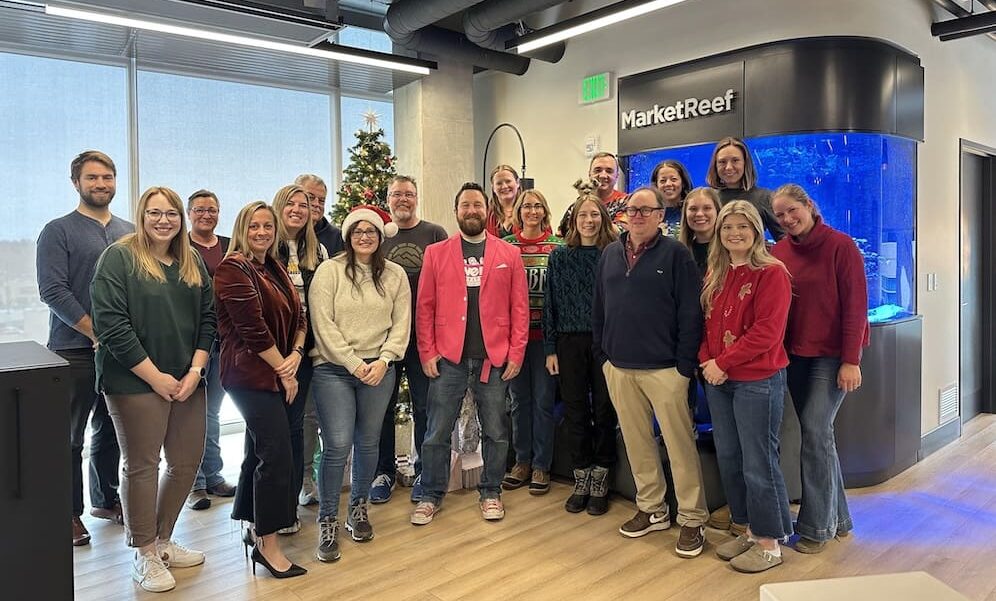
Mike Turner and MarketBeat staff
MarketBeat is proud to be one of those supporters, partnering with Owen’s Outfitters to help raise awareness of the organization’s work and the role access plays in recovery beyond the hospital setting.
“Owen’s Outfitters is doing the kind of work that quietly changes lives,” said Maureen Ohm, MarketBeat’s director of community relations. “Their focus on access, dignity and immediate support is something we’re proud to stand behind.”
How to support Owen’s Outfitters
There are several ways the community can support the organization’s work:
- Donate equipment: Durable medical equipment such as walkers, wheelchairs, hospital beds and CPAP machines is placed directly with people who need it. Broken equipment is repaired or recycled when possible.
- Borrow equipment: Using the service demonstrates community need and supports future funding.
- Volunteer: Help is needed with inventory management, cleaning, sorting and operations. Flexible hours are available.
- Provide financial support: A $50 donation can provide a power chair, hospital bed or other large piece of equipment to someone in need.
- Spread awareness: Increased visibility leads to more donations, volunteers and partnerships.
Learn more at thelegacyfoundationsd.com/owens-outfitters.
link