Act Now to Save Our Healthcare System
Every corner of patient care is affected by our nation’s current health policy debate. We see the impact of congressional decisions that take form in the patient who receives support for their mental health needs because of Medicaid, the older patient who relies on Medicare to manage their diabetes, and the young medical student torn between a call to serve in a rural community and the crushing reality of six-figure debt.
I became a family physician because I wanted to care for patients across every stage of life. I stay in this profession because I believe in the power of primary care to heal not just individuals, but entire communities. Our healthcare system is in jeopardy. Unless Congress takes action to protect vitally important programs like Medicaid, reform Medicare so physicians can keep their practices afloat, address medical student debt to encourage more people to practice primary care, and uphold public trust in vaccines, the foundation of healthcare in the United States may collapse.
Let me be clear: Medicaid is a lifeline and gateway to care for millions. For children, families, pregnant people, those with disabilities, and people simply trying to make ends meet, Medicaid often makes the difference between receiving timely care and having a manageable issue spiral into a medical emergency — or financial crisis. Proposals in Congress threaten to tear away that safety net. Work reporting requirements, eligibility restrictions, financial barriers, and the looming expiration of premium tax credits for Affordable Care Act (ACA) Marketplace plans could strip coverage from more than 16 million Americans. For context, that’s the equivalent of every person in Idaho, West Virginia, Hawaii, New Hampshire, Maine, Montana, Rhode Island, Delaware, South and North Dakota, Alaska, Vermont, Wyoming, and the District of Columbia losing their healthcare coverage. These aren’t just numbers. These are my patients. These are your neighbors. These are your voters. These are lives that could be lost.
At the same time, the physician workforce is stretched to its limits. We are facing an ever-worsening shortage of primary care doctors, especially in underserved and rural areas. Without meaningful support, that shortage will only become more dire. Student loan forgiveness programs are one of the few tools we have to encourage new physicians to serve where they’re needed most. Weakening or eliminating these programs would be disastrous, not just for young doctors, but also for the communities depending on them. I’ve spoken with countless medical students who feel called to work in primary care or rural health but think they simply can’t afford it. That’s a tragedy we can prevent by investing in programs like the National Health Service Corps and Public Service Loan Forgiveness (PSLF). Congress must not impose misguided policies, like preventing medical residents from participating in PSLF and capping the amount of federal student loans that prospective physicians can borrow.
Further, Medicare physician payment continues to be deeply concerning. The current system for physicians is outdated, unstable, and increasingly unsustainable. Physicians continue to face pay cuts for services they provide to Medicare patients. These rates fail to keep pace with inflation: When adjusting for inflation, the AMA estimates that today’s physician payment rates for Medicare services are 33% less than they were in 2001. Every year I see more small practices close their doors. These aren’t just businesses — they are community anchors and are often the only source of care in the area. Without urgent, comprehensive reform of the Medicare physician payment system, we risk losing even more primary care practices. Patients will lose trusted physicians, and entire towns could be left with no care at all.
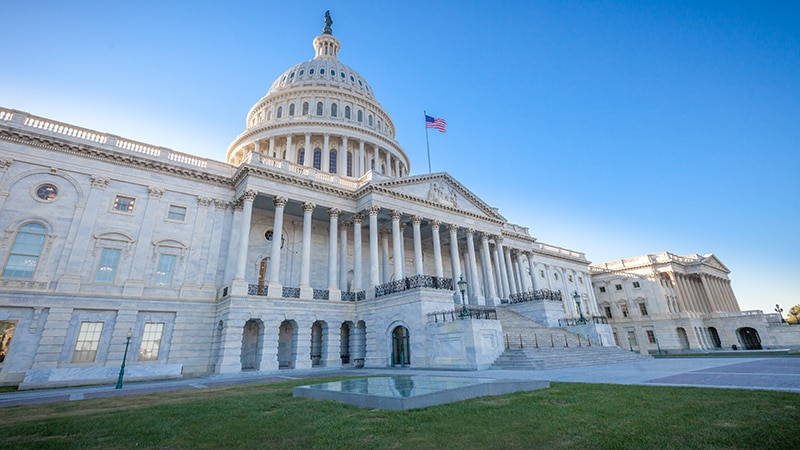
These policy decisions will shape who gets care, who becomes a doctor, and the overall health and well-being of our nation. More than 300 family physicians from across the country are on Capitol Hill this week to present a united message: Protect Medicaid, preserve student loan forgiveness, reform Medicare payment, and restore trust in public health. Not tomorrow, but today. The health of our patients, the strength of our physician workforce, and the future of our healthcare system depend on it.
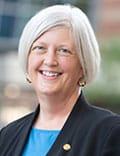
Jen Brull, MD, is a family physician and president of the American Academy of Family Physicians.
link